Welcome to the home you've been waiting for.
A complete guide to buying on Hilton Head Island and in Bluffton — written for the second home you've been dreaming about, and for the retirement chapter you've spent a lifetime earning.
Why the Lowcountry.
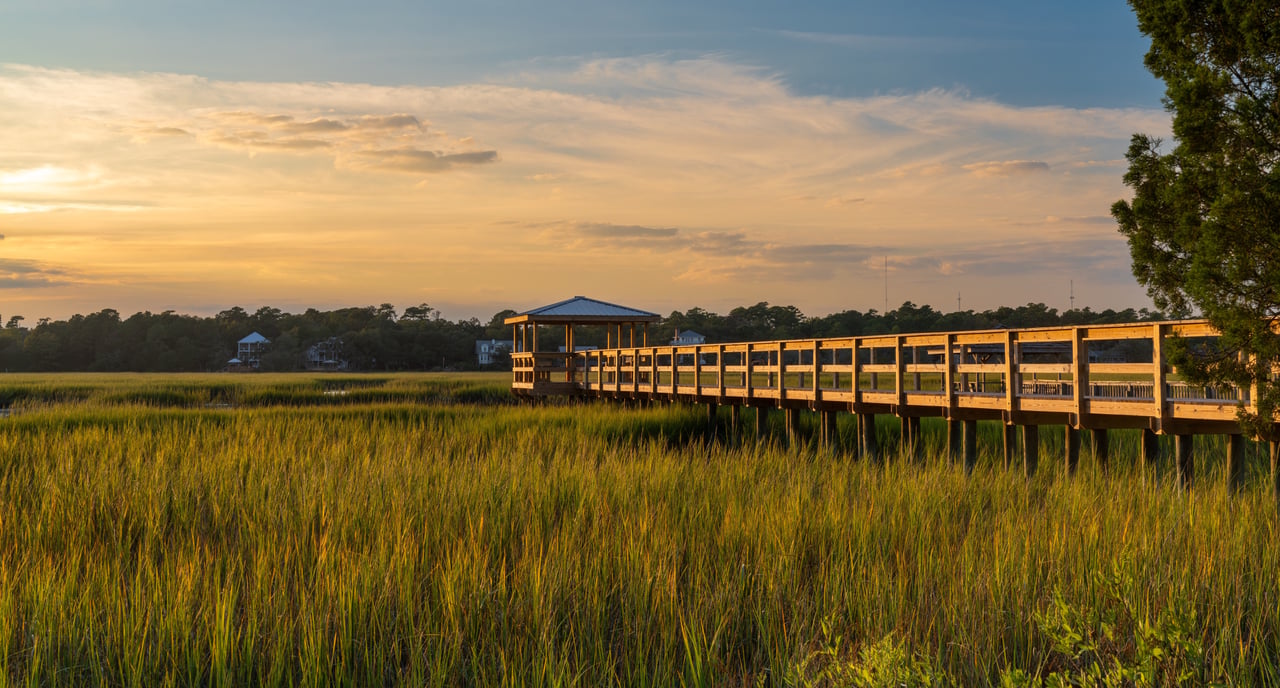
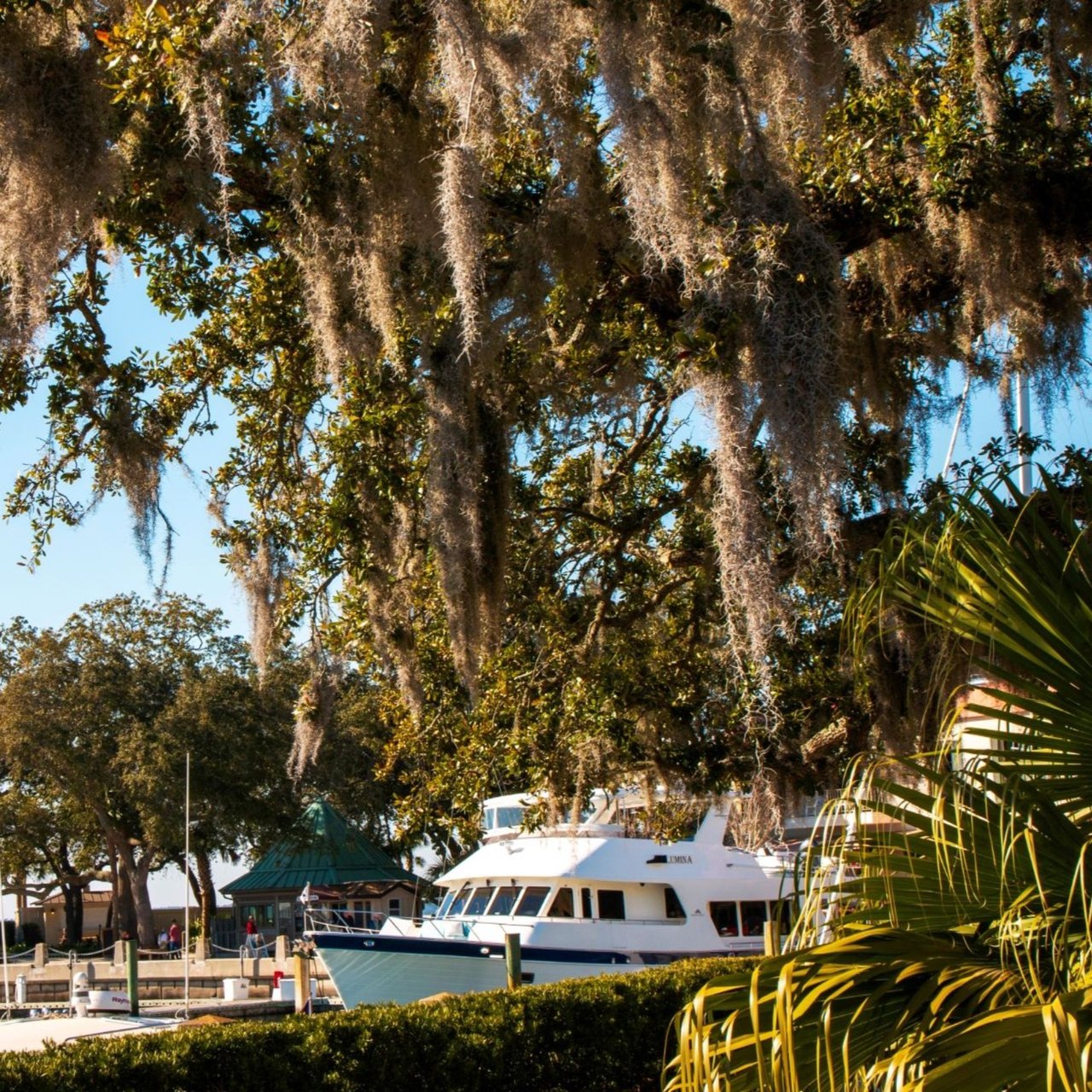
Spanish moss, marsh views, and a 12-mile beach are the reasons people visit. The reasons people stay — or return — are quieter, but they're the ones that matter on a balance sheet.
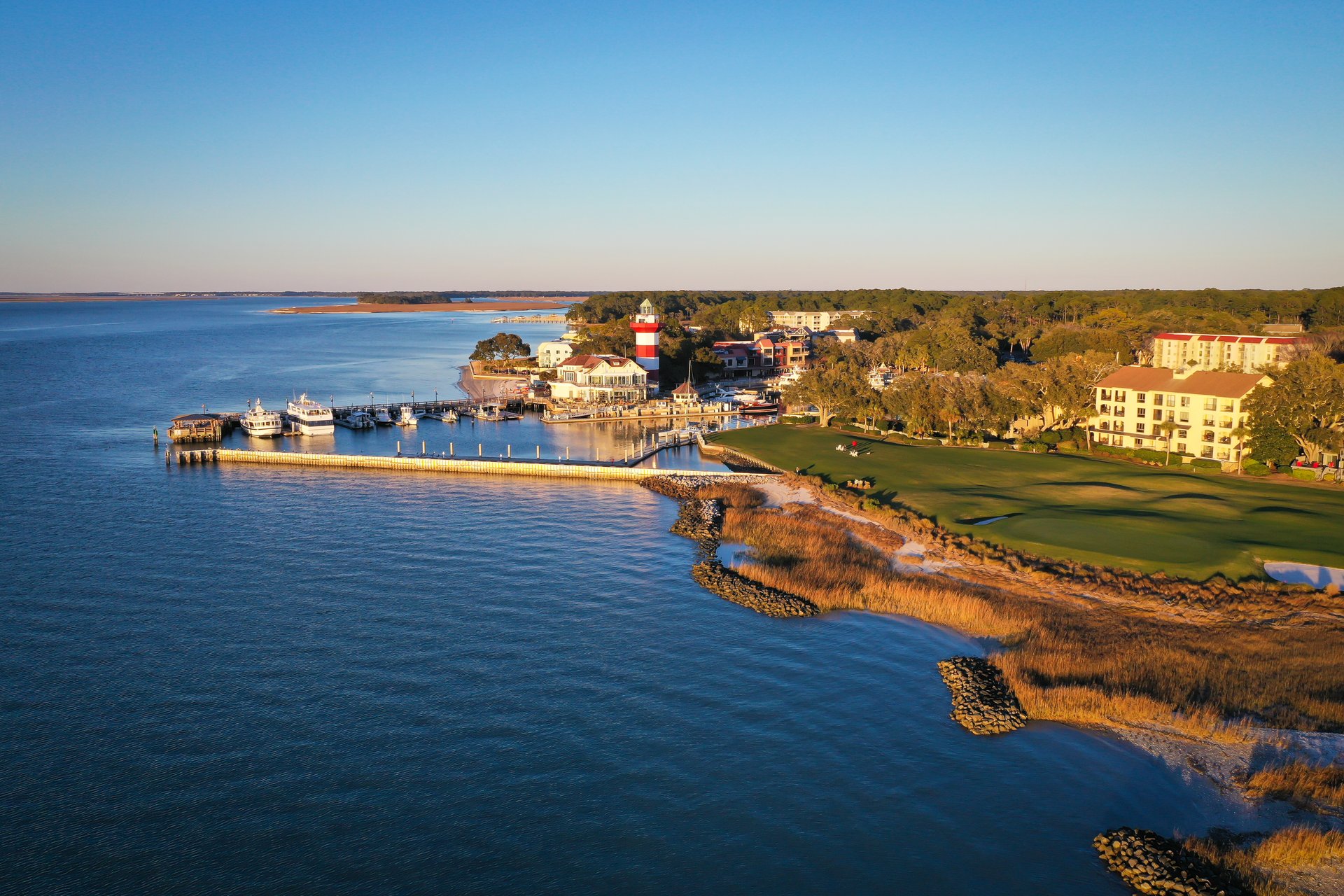
Hilton Head Island and Bluffton occupy a rare position in the Southeast — coastal enough to feel like a vacation, established enough to feel like a community, and tax-friendly enough to make staying meaningful. The island itself is shaped by a unique conservation ethic: development is limited by the Tree Protection Ordinance, height restrictions cap building scale, and eleven gated plantations preserve large tracts of land in private stewardship.
For the right buyer — someone looking for a primary retirement home or a second home that earns its keep — the math has a way of working out. South Carolina extends one of the most favorable tax climates in the country to retirees, and the rental demand on Hilton Head supports owners who want their property to contribute to the cost of owning it.

The eight-phase buyer's journey.
The path from "we should look at Hilton Head" to "the keys are ours" runs through eight distinct phases. Each one has Lowcountry specifics that matter — and skipping them is what costs buyers money.
Define what you're actually buying.
Before a single listing comes up on the screen, the most important conversation is the one with yourself — or with your spouse, your CPA, and your estate attorney. Are you buying a primary residence and changing state of domicile? A second home that stays empty for most of the year? An income-producing rental that you'll use a few weeks of the year? The answer drives loan structure, tax treatment, insurance, and even which neighborhoods are realistic options.
Short-term rental rules vary dramatically by neighborhood. Sea Pines, Palmetto Dunes, Shipyard, Forest Beach, and Folly Field are friendly to weekly rentals. Sun City, Hilton Head Plantation, and Indigo Run restrict short-term rentals significantly or prohibit them entirely. If rental income is part of your math, this question gates the search.
Get financially calibrated.
A traditional pre-approval gets you in the door, but Lowcountry buyers in the $1M+ range often need a portfolio or jumbo product — and those have meaningfully different underwriting. Reserves requirements are higher, second-home rates run slightly above primary-residence rates, and investment-property rates higher still. Coordinate with a CPA early if you're planning a 1031 exchange or selling a home in another state.
Most national lenders aren't familiar with the regional cost of wind & flood insurance, which can add $400–$1,200 per month to a Hilton Head waterfront property. A lender who underwrites locally — or who routinely lends in this market — won't be surprised by your DTI when those quotes come in.
Visit deliberately.
If you can, visit in more than one season. Hilton Head in March is a different island from Hilton Head in July, and a quiet plantation in shoulder season can feel surprisingly busy at peak. Walk neighborhoods on foot, drive them at sunset, eat at the restaurants you'd use, and time-test the commute from where you'd live to where you'd grocery-shop or see a doctor. The most expensive mistake second-home buyers make is choosing a neighborhood based on a single beautiful Saturday afternoon.
Each plantation has its own character. Sea Pines is the original — and at 5,200 acres, the largest on the island; Long Cove and Wexford are quieter and more residential; Palmetto Dunes balances residential and resort; Hilton Head Plantation, at 4,000 acres the second-largest community, is the most family-oriented and primary-resident-focused. The right neighborhood depends as much on how you plan to live as on the price point.
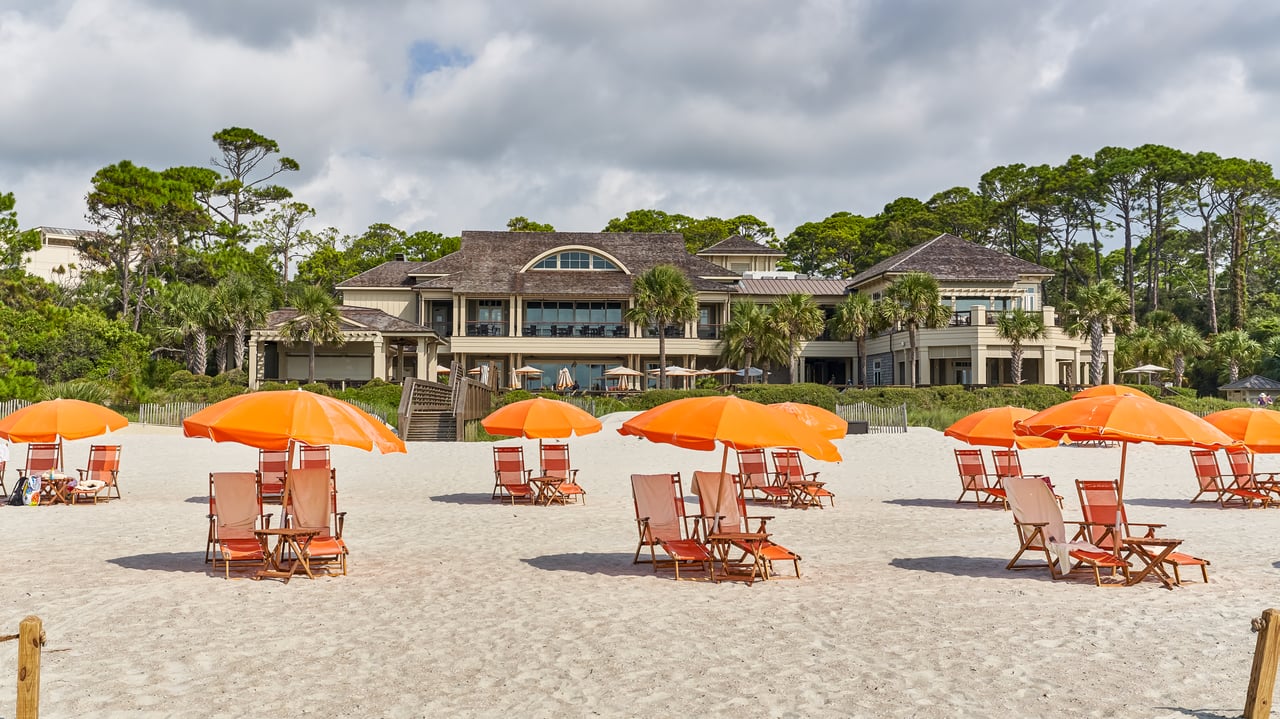
The Beach Club at Sea Pines — one of twelve distinct Hilton Head communities, each with its own character.
Make a thoughtful offer.
In the Lowcountry, the offer is more than a number. It's a financing package, a closing timeline, an inspection scope, and a contingency structure — all of which signal seriousness to a seller. For waterfront and plantation homes in tight inventory, a buyer who shows up with a strong lender, flexible closing terms, and a realistic inspection clause usually wins over a slightly higher offer with weaker terms.
South Carolina's standard contract uses a negotiated due diligence period — typically 10–14 days, though shorter in competitive markets and longer for complex properties. Don't let an aggressive seller talk you out of an adequate inspection window — the cost of skipping a coastal home inspection on a 30-year-old plantation property is, almost always, more than the cost of losing the deal.
Conduct rigorous due diligence.
This is the phase where buyers protect themselves. A general home inspection is the floor, not the ceiling. Coastal homes often need a moisture inspection (EIFS/stucco), a wind-mitigation report (which earns insurance discounts), and sometimes a separate termite letter. If you're inside a gated community, review the POA documents — covenants, restrictions, architectural review board rules, and the financial health of the HOA. And get firm insurance quotes before you remove contingencies.
FEMA's Risk Rating 2.0, fully implemented in 2023, reshaped flood insurance pricing across coastal SC — and HHI's 2021 flood map revisions further changed what's classified as high-risk. Premiums can vary dramatically block-to-block. Always get a firm flood insurance quote during due diligence; never rely on the seller's last bill, which may have been grandfathered under prior pricing.
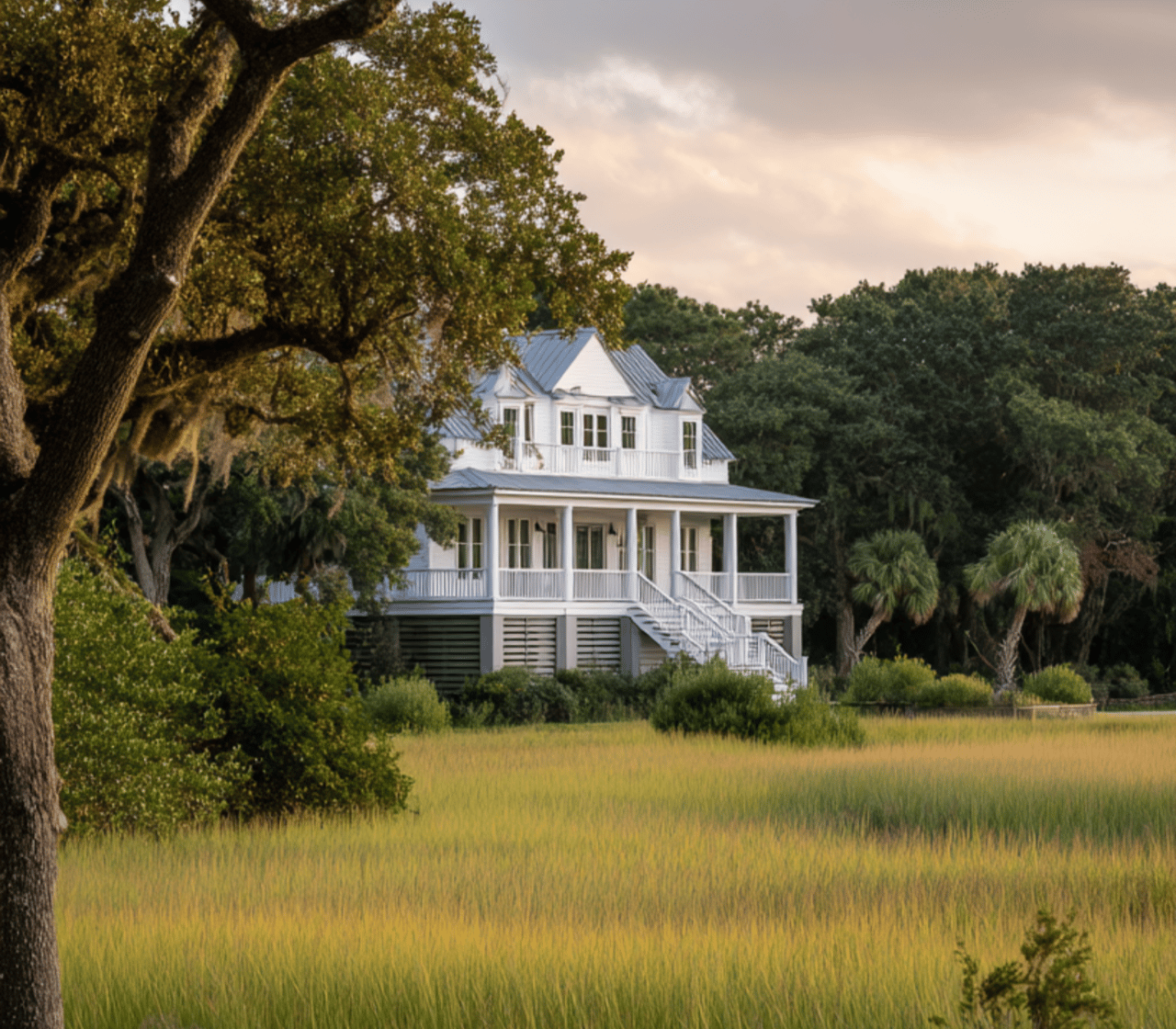
A waterfront Lowcountry home — where due diligence on flood, wind, and moisture is essential.
Close the right way.
South Carolina is an attorney-state — every closing is handled by a licensed real estate attorney, not a title company. The attorney coordinates the title search, prepares closing documents, conducts the closing, and disburses funds. As a buyer, you have the right to choose your own closing attorney; the seller doesn't get to dictate it. Choose someone experienced specifically with HHI closings, particularly if your transaction involves a trust, an LLC, foreign-buyer FIRPTA withholding, or a 1031 exchange.
Wire-fraud targeting real estate closings is the single biggest financial risk in this phase. Never wire funds based on instructions in an email alone. Always call the attorney's office directly using a phone number you've verified independently to confirm wire instructions — and do it at least 48 hours before the wire.
Take possession with a plan.
The first week of ownership in a new region has more loose ends than buyers expect: utilities to transfer (Palmetto Electric, public water and sewer, propane where applicable), trash and recycling to set up, mail to forward, gate access and beach parking passes to register, HOA dues to set up on autopay, and the dozen small decisions about furniture, internet, and lawn care. The right plan compresses this into days rather than months.
Beach parking passes (Town of Hilton Head) and plantation gate passes are separate registrations, and the Town pass requires proof of residency — utility bill, deed, or vehicle registration. Apply for both within the first week of closing to avoid losing access during peak weekends.
Settle in for the long view.
If you're making the Lowcountry your primary residence, the next steps are tax-relevant: file the Legal Residence Application with Beaufort County (this captures the 4% primary-residence assessment ratio), register vehicles in South Carolina, obtain a SC driver's license, and update your domicile paperwork (will, trust, voter registration) with your estate attorney. If you're keeping the home as a second residence or rental, the first 90 days are when you set up the management infrastructure — property manager, rental agent, landscaping, pest control, hurricane shutters — that makes ownership feel effortless from then on.

What makes the Lowcountry different.
Six features of buying on Hilton Head and in Bluffton that don't exist most other places — and that buyers from out of state are routinely surprised by.
Wind & Flood Insurance
Coastal South Carolina has its own insurance reality. Premiums can range from $1,500 to $15,000+ per year depending on flood zone, elevation, and proximity to the ocean. Always quote before contingency removal — never assume the seller's premium will transfer.
The Plantation System
Most desirable homes sit inside gated plantations — private associations with security, common amenities, architectural review boards, and POA dues ranging from $1,200 to $6,000+ per year. Each has distinct rules about rentals, exterior changes, and guest access.
Property Tax Structure
SC assesses property tax at 4% of value for primary residences but 6% for second homes — a meaningful difference. Establishing primary residency requires more than just buying the home; it requires deliberate residency filings with Beaufort County.
Attorney-State Closings
Every closing is conducted by a licensed real estate attorney, not a title company. Buyers choose their own attorney and pay for the closing. Expect a more formal, more documented process than buyers from title-state markets are used to.
Tree Protection Ordinance
Hilton Head's nationally recognized Tree Protection Ordinance, enacted in the 1980s, regulates the removal, transplanting, or alteration of mature trees — particularly live oaks. Permits are required to remove trees over 16 inches in diameter, with stricter standards for protected species. Buy a home with the trees you want.
Short-Term Rental Rules
Rental rules are set at the plantation/POA level and vary widely — weekly rentals welcomed in some, prohibited in others, and minimum stays imposed by ordinance in the Town of Hilton Head. If rental income matters, this question precedes all others.
Different buyers, different priorities.
Two of the most common buyer profiles in the Lowcountry come from different starting points — and the right home, the right neighborhood, and the right ownership structure depend on which you are.
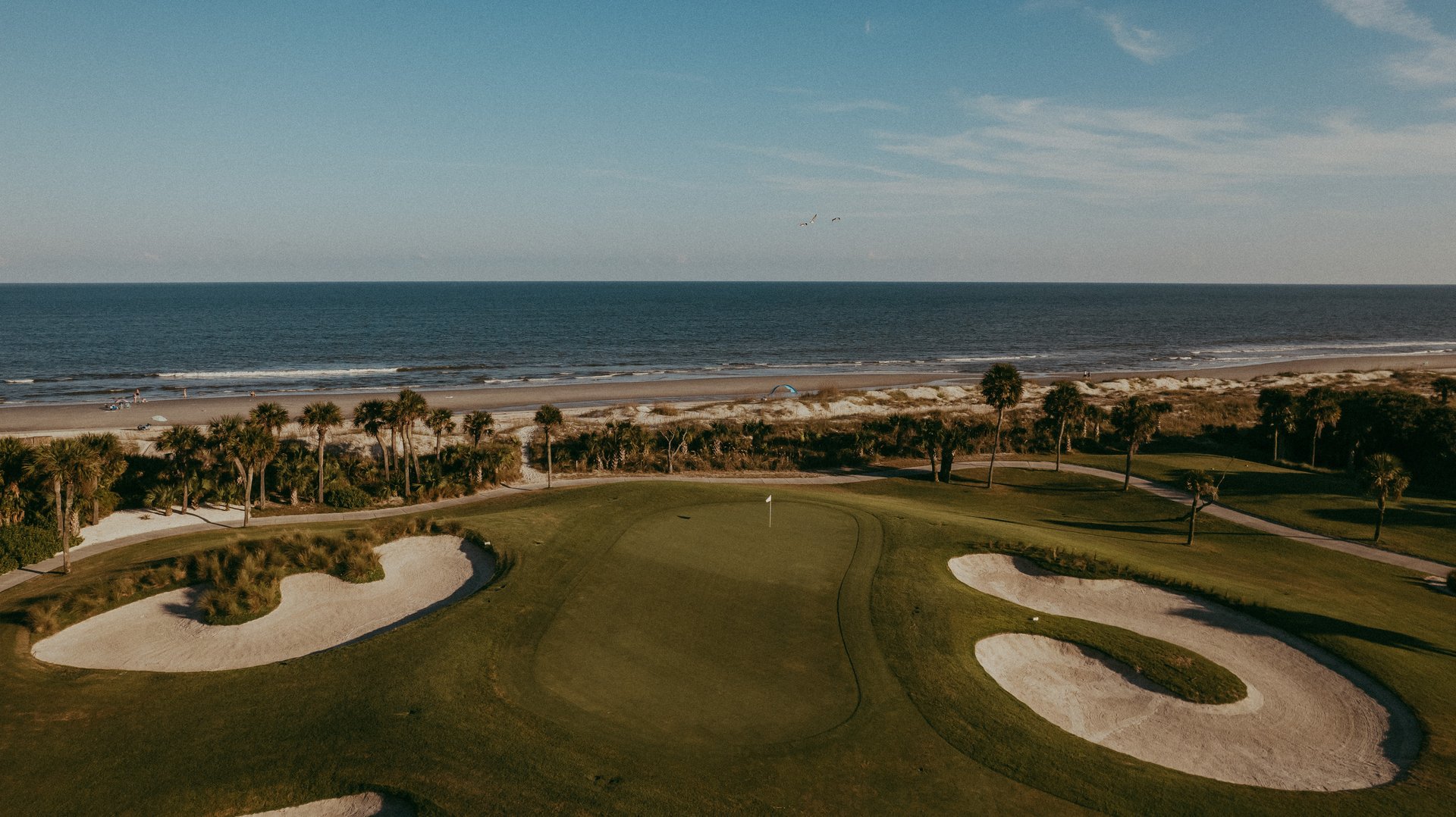
Settling in for the chapter you've earned.
Retiring to the Lowcountry is, for most buyers, the largest decision of the second half of life. The financial mechanics matter — but so do the human ones: where you'll live well, comfortably, and within driving distance of the things that matter to you.
- SC Tax Benefits South Carolina fully exempts Social Security from state income tax and offers a generous retirement income deduction. The 4% primary-residence assessment ratio kicks in once you establish domicile — a meaningful annual savings on a $1M+ home.
- Healthcare Access Hilton Head Regional Medical Center and Beaufort Memorial Hospital serve the area, with major-system referrals routine to Charleston (90 minutes) and Savannah (45 minutes). Aging in place feasibility is a factor in choosing a community and a home design.
- Aging-in-Place Home Design Single-story floor plans, no-step entries, wider doorways, and primary suites on the main level command a premium in the resale market — and matter most to the buyers who'll use them. Worth prioritizing even early in retirement.
- Lifestyle Match Active communities (Sun City, Belfair, Berkeley Hall, Spring Island) offer organized social, golf, and pickleball programming. Quieter communities (Long Cove, Wexford, Moss Creek) suit those who want to set their own pace. Match the community to the chapter you're entering.
- Establishing Residency To capture the 4% property tax ratio, the Social Security exemption, and other SC benefits, formal domicile change is required: SC driver's license, vehicle registration, voter registration, and a Legal Residence Application filed with the Beaufort County Assessor's Office. File promptly after closing to avoid being billed at the higher 6% rate.
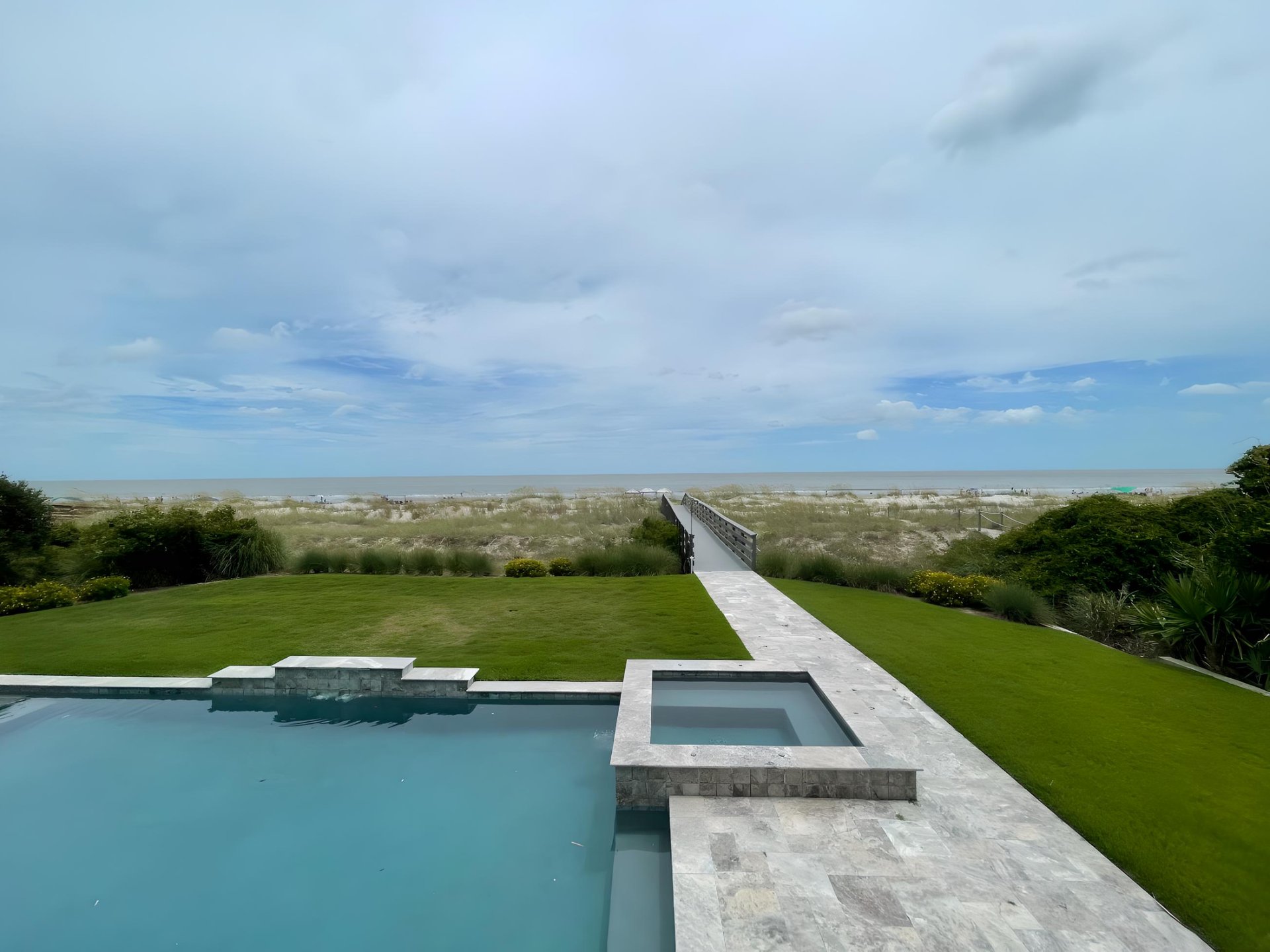
A place to escape — and an asset that earns its keep.
The classic Lowcountry second-home buyer wants two things, in tension: a property that feels personal enough to truly be theirs, and a property that can offset its carrying cost through thoughtful rental income. Both are possible — but the math has to be set up correctly from the first showing.
- Second-Home vs. Investment Loan If you'll use the home as a second residence and rent it sporadically, a "second home" loan applies — better terms than an investment property loan. If rental income is the main use, you're buying an investment property, with stricter underwriting. The difference is real, and lenders distinguish carefully.
- Rental Income Realism A well-located Hilton Head rental can generate $40,000–$120,000+ per year in gross rental revenue. After management fees (typically 20–35%), maintenance, utilities, and taxes, net is meaningfully less. A good rental projection includes all of it, not just the gross.
- Property Management Partnership Second-home owners universally benefit from a property manager — for guest turnover, maintenance, hurricane prep, and the small day-to-day issues that arise when an owner is 800 miles away. Establishing this relationship pre-closing makes the first year vastly smoother.
- Travel & Use Patterns The most successful second-home buyers think honestly about their travel patterns. Two weeks of use per year supports a different home than six months. Be honest about the realistic answer — it changes what you should buy.
- Coordination With Estate Plan Out-of-state buyers should coordinate the purchase with their estate attorney. Holding the home in a trust or LLC has implications for liability, succession, and out-of-state probate. A 30-minute call with your attorney before signing usually saves significant time later.
A realistic timeline.
Most Lowcountry buyer journeys take six months from first inquiry to keys in hand, though some compress meaningfully shorter and many stretch longer. Here's what the typical arc looks like.
Online exploration, neighborhood research, first scoping trip, initial conversation with a Realtor and lender.
Touring 10–25 properties, often across multiple visits. Refining neighborhood and home priorities.
Offer accepted, due diligence period (10–14 days), inspections, insurance quotes, contingencies removed.
Loan processing, appraisal, title work, attorney closing. Keys typically 30–45 days from offer acceptance.
The first-visit checklist.
Bring this list — or its mental version — to your first scoping trip. Buyers who arrive with answers to these questions move faster, with fewer regrets.
Before your first visit
- Primary, second, or investment property?
- Will you rent it short-term?
- Year-round or seasonal use?
- Single-story or multi-level home?
- Beach proximity vs. golf course?
- Gated plantation or open neighborhood?
- Maximum HOA dues tolerance?
- Pre-approval letter from a lender?
- CPA briefed on the purchase?
- Estate plan coordinator alerted?
- Driving radius from family / airport?
- Realistic visit frequency per year?
- Acceptable insurance premium ceiling?
- Long-term vs. short-term horizon?
Ready to start? Or just to talk?
Every Lowcountry buyer's journey starts with one unhurried conversation. No pressure, no pitch — just a half hour to understand what you're hoping to do, what timeline you're working with, and what questions you're carrying.
Schedule a 30-Minute CallThis guide is for informational purposes only and does not constitute legal, tax, or financial advice. Tax laws, insurance regulations, and neighborhood covenants change periodically — always verify current rules with a licensed professional before relying on this information for a transaction. Tyler Stone is a licensed Realtor® in the State of South Carolina with Charter One Realty. All information is deemed accurate. Buyer must verify.