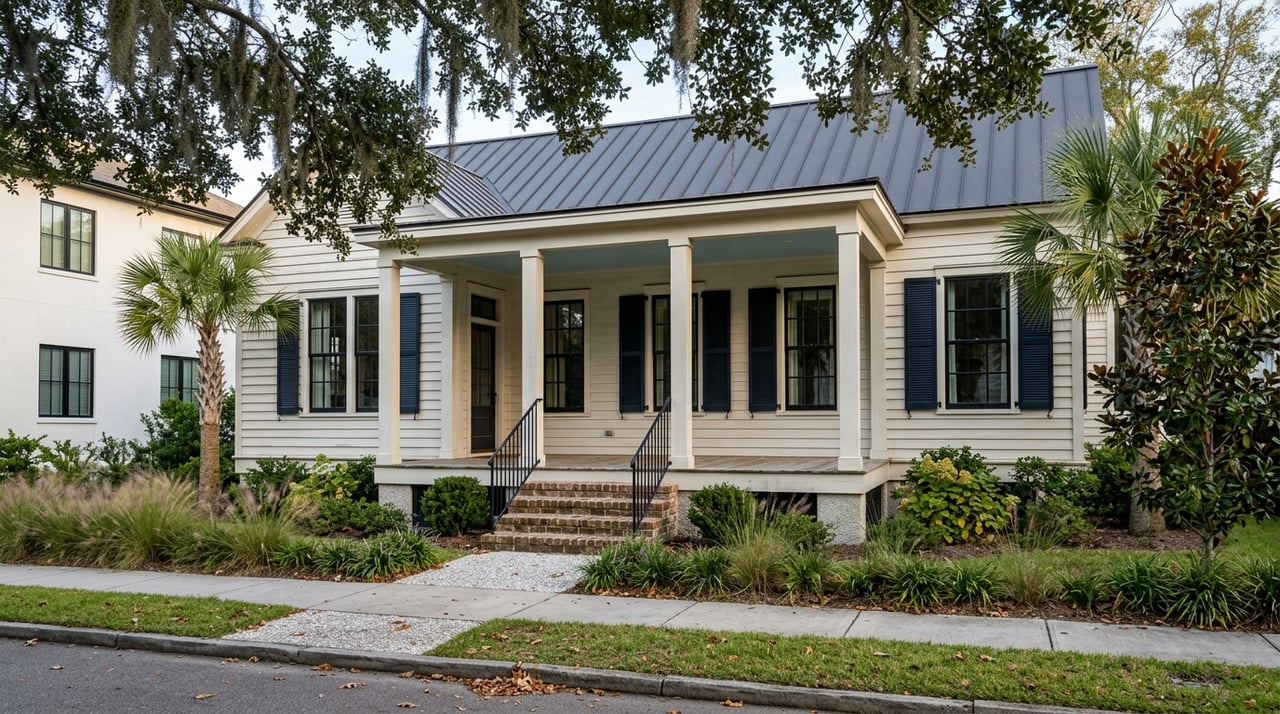
Choosing Your Next Home In Port Royal’s Coastal Neighborhoods
May 14, 2026
May 14, 2026
If you want a coastal home that feels connected to daily life, Port Royal deserves a close look. This is the kind of place where water, walking paths, and neighborhood streets shape your routine more than big resort amenities or a formal downtown scene. If you are trying to decide where you would feel most at home, this guide will help you understand how Port Royal’s coastal neighborhoods differ, what kinds of homes you are likely to find, and how to choose the right fit for your lifestyle. Let’s dive in.
Port Royal sits between the Beaufort River and Battery Creek, and that setting has a big impact on how the town lives day to day. The town describes itself as a small-town New Urbanist community with walking trails, a community beach, a boardwalk, and an observation tower.
That community pattern matters when you are choosing a home. Port Royal’s zoning is built around mixed-use, walkable areas, with residential neighborhoods expected to include sidewalks and connections to open space, public waterfronts, and adjacent streets. In practical terms, that means many parts of town are designed to feel connected rather than spread out.
For many buyers, the biggest appeal is scale. Port Royal often feels more neighborhood-centered than Hilton Head and less formalized around a historic district than Beaufort. If you want a coastal setting with an everyday rhythm, that difference can be meaningful.
When you spend time in Port Royal, the outdoor access stands out quickly. The Spanish Moss Trail connects Port Royal to Beaufort along a 10.2-mile paved route, and official town amenities also highlight Cypress Wetlands, Naval Heritage Park, and Sands Beach.
Sands Beach is one of the clearest examples of Port Royal’s lifestyle. It sits where Battery Creek meets the Beaufort River and offers kayak and boat launching, boardwalk access, fishing, crabbing, and an observation tower. If your ideal routine includes short trips to the water instead of planning full-day outings, that can be a strong draw.
Cypress Wetlands and Naval Heritage Park add another layer to daily life. Boardwalks, birdwatching, and the Saturday farmers market all support a more local, outdoor-oriented pace. That is part of why Port Royal tends to appeal to buyers who value simple access to nature and neighborhood activity.
One of Port Royal’s strengths is variety within a compact footprint. You are likely to see older homes with character in established parts of town, along with newer infill and redevelopment areas that bring different housing options into the mix.
The town’s preservation overlay is designed to protect architectural and cultural heritage. Based on that framework, older areas near the original town are more likely to include renovated cottages, bungalows, and smaller historic homes with distinctive character.
Port Royal’s neighborhood standards also allow a range of housing types. These include medium and compact detached homes, cottage courts, duplexes, and in some zones, townhouses, apartments, and mixed-use residential buildings. That helps explain why Port Royal can feel more like a compact neighborhood grid than a typical suburban subdivision.
If you are interested in newer construction or planned waterfront living, Port Royal’s redevelopment areas are important to understand. Town redevelopment documents identify the Port Royal Tract as a major focus area organized around Ribaut Village, Bluff Neighborhood, Marina Village, Port Village, and civic open space.
The plan calls for 575 dwelling units along with a pedestrian waterfront boardwalk, promenade, trail, marina slips, and a waterfront walkway along Battery Creek connecting the Bluff Neighborhood to the Port Village. The stated goal is to preserve traditional character while creating a mix of land uses and residential types.
The town also points to Port Royal Landing and nearby Johnny Morrell Road parcels as part of the redevelopment focus. New housing developments are also planned along the Bluffs and Ribaut Road. For buyers, this means you may have options that feel newer and more low-maintenance while still staying tied to Port Royal’s coastal setting.
If walkability is high on your list, Port Royal offers some of the strongest evidence for it in its mixed-use transect zones and the Paris Avenue and waterfront redevelopment corridor. The town’s code supports sidewalks, connected streets, and links to public open space and waterfront areas.
That does not mean every block will feel the same. Some areas may feel more residential and quiet, while others may place you closer to civic spaces, trails, or the waterfront. As you compare homes, it helps to think beyond the house itself and ask how often you want to walk or bike as part of your normal week.
For some buyers, a compact detached home near connected streets is the right answer. For others, a townhouse or mixed-use residential option may offer the easier, lower-maintenance routine they want. Port Royal gives you more than one way to live close to the water without needing a resort-style setting.
Choosing the right neighborhood often starts with your routine. In Port Royal, that means thinking less about broad labels and more about how you want your days to look.
Here are a few helpful ways to narrow your search:
This kind of lifestyle-first approach can save you time. It also helps you avoid choosing a home that looks right on paper but does not fit the way you actually want to live.
Many buyers looking at Port Royal are also comparing Beaufort and Hilton Head. While all three offer Lowcountry appeal, they deliver it in different ways.
Beaufort is the more historic-district-centered option. The city says its 304-acre historic district is both a National Register district and a National Historic Landmark district, and its waterfront park sits near downtown restaurants and shops. If your priority is a stronger concentration of preserved historic homes and downtown-oriented living, Beaufort may feel like the clearest match.
Hilton Head operates on a larger and more resort-oriented scale. The town offers multiple beach parks, public pathways, docks, and boat ramps, and it has a much larger population than Port Royal. If you are drawn to a broader resort environment, Hilton Head will likely feel very different from Port Royal’s smaller neighborhood scale.
Port Royal often lands in the middle in a useful way. It offers water access, walkability, and a smaller-scale coastal lifestyle, while feeling less formal than Beaufort and less resort-driven than Hilton Head.
Current market data also helps show where Port Royal fits. In March 2026, Port Royal’s median sale price was $375,000, compared with $488,195 in Beaufort and $802,500 on Hilton Head Island.
Homes in Port Royal sold in an average of 58 days, compared with 43 days in Beaufort and 56 days in Hilton Head during the same period. Markets can shift, but this snapshot supports the idea that Port Royal may offer a lower price point than the other two areas while still giving you access to a coastal setting.
For buyers, that can open up different possibilities. Depending on your goals, Port Royal may allow you to prioritize walkability, character, or waterfront access in a way that feels more attainable than in higher-priced nearby markets.
As you narrow your options, try to evaluate each area with a few practical questions in mind. The answers can help you identify not just the right home, but the right daily experience.
Ask yourself:
When you view homes through that lens, Port Royal becomes easier to understand. You are not just choosing between neighborhoods. You are choosing the balance of charm, convenience, and coastal access that fits you best.
Port Royal works especially well for buyers who want a local, connected feel shaped by water and neighborhood life. If that sounds like the lifestyle you are after, a focused, block-by-block look at the town can reveal options that are easy to miss in a broader online search.
If you are considering Port Royal alongside other Lowcountry communities, working with someone who understands how each area lives on a daily level can make the process much clearer. When you are ready to compare neighborhoods, home styles, and lifestyle fit, connect with Tyler Stone for thoughtful guidance tailored to your next move.

Inventory is steadily growing, with active listings up nearly 29% and months of supply increasing to 4.8.
Fall in the Lowcountry brings a refreshing change from the warm summer days.

Recent headlines may leave you wondering what’s next for mortgage rates.
Whether you’re buying your first home, selling a luxury property, or investing in Hilton Head Island real estate, Tyler Stone provides expert guidance, local knowledge, and a client-focused approach. From the initial consultation to closing, he ensures a smooth, stress-free experience tailored to your unique goals.